
Environmental Monitoring at Haller Park – Data for Conservation
- Conservation
- Environmental Monitoring at Haller Park – Data for Conservation
Environmental Monitoring at Haller Park
At Haller Park in Mombasa, restoration doesn’t end with planting trees or reintroducing wildlife. To keep ecosystems healthy, scientists and staff carry out environmental monitoring — the continuous collection of data on soil, water, climate, and species.
This information ensures that Haller Park’s conservation success is measured, maintained, and improved over time.
Why Environmental Monitoring Matters
Monitoring is crucial because restored ecosystems change constantly. Without data, it would be impossible to:
- Track soil recovery and fertility
- Measure water quality in wetlands and aquaculture ponds
- Monitor wildlife populations and migration
- Detect threats like climate change or invasive species
By studying these changes, Haller Park adapts its management strategies and shares lessons with conservationists worldwide.
Soil Monitoring – From Rock to Fertile Ground
The quarry floor once had no topsoil. Today, soil samples are taken regularly to measure:
- Organic matter and nutrients
- pH balance and fertility
- Microbial diversity
Results show how forest restoration and animal activity have transformed barren limestone into rich, living soil.
Water Quality Monitoring
Wetlands and aquaculture ponds depend on clean water. Haller Park monitors:
- Oxygen levels for fish survival
- pH and salinity for plant growth
- Contaminants to ensure healthy habitats
This ensures that fish farming, hippos, and wetland ecosystems stay in balance.
Wildlife Surveys
Park rangers and researchers conduct regular wildlife counts to monitor:
- Mammals such as giraffes, hippos, and antelope
- Bird species, including migratory visitors
- Reptiles and amphibians in wetlands
- Butterfly and pollinator diversity
These surveys help detect population growth or decline and guide habitat management.
Climate Data Collection
Climate resilience is critical for long-term restoration. At Haller Park, weather stations track:
- Temperature and rainfall patterns
- Humidity levels
- Wind speed and coastal conditions
This data helps predict how climate change may affect restored forests and wetlands.
Education & Research Opportunities
Universities and international researchers partner with Haller Park to use this data in:
- Climate adaptation studies
- Restoration science publications
- Environmental education for local schools
By sharing findings, Haller Park contributes to global knowledge on ecological restoration.
Plan Your Visit
 Opening Hours: 8:00am – 5:00pm daily
 Location: Bamburi, Mombasa
 Entry Info: View tickets and packages
 Map & Directions: Bamburi, Off Mombasa-Malindi Road
FAQs – Environmental Monitoring at Haller Park
Some Attractions

Aquaculture & Wetlands
See how our sustainable fish ponds work hand-in-hand with nature to support biodiversity and local communities.
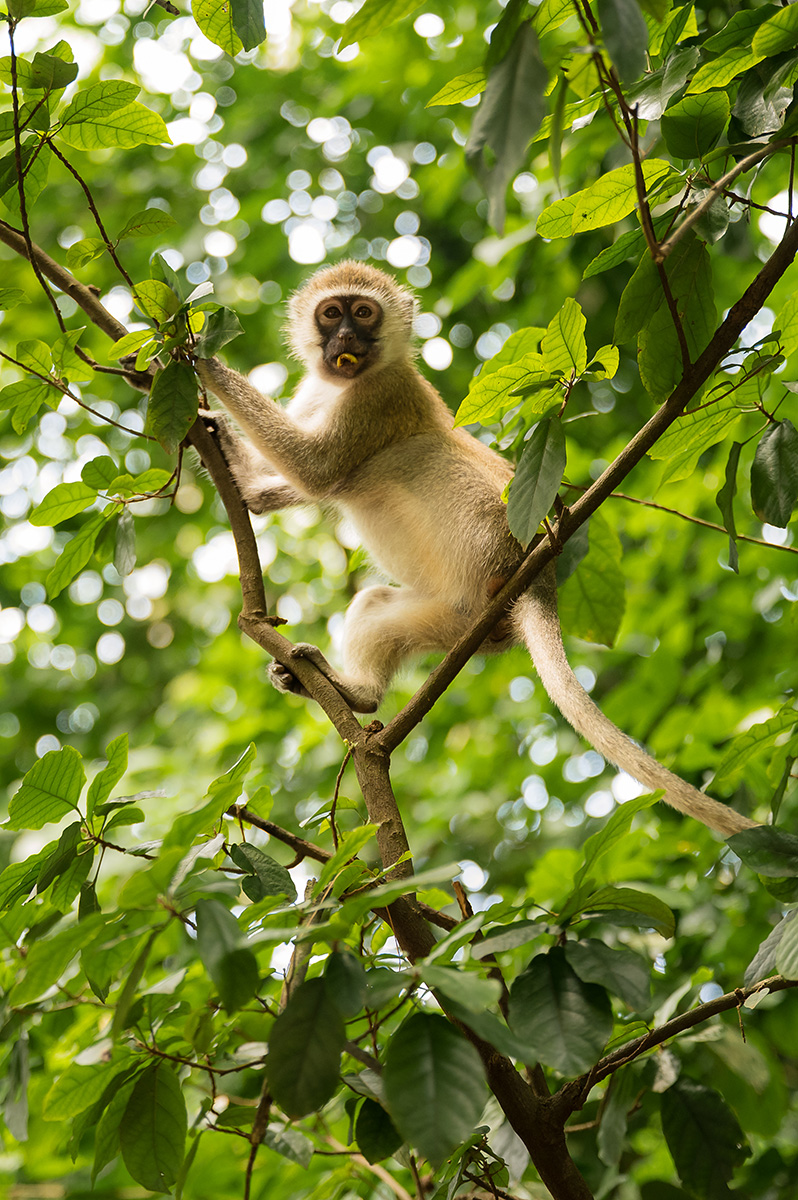
Forest Trails & Birdwatching
Enjoy peaceful walks through restored forest habitats. Look out for monkeys, antelopes, and over 160 bird species.

Butterfly Pavilion
Step inside Kenya’s first butterfly house and be surrounded by color, movement, and the magic of metamorphosis.