Hidden Heroes of the Forest: Unsung Species at Haller Park
Introduction
When most people visit Haller Park, their eyes are drawn to towering giraffes, hefty hippos, or the famous tortoise-hippo duo, Owen and Mzee. But beneath the leaves, among the shrubs, and underneath the forest floor live countless unsung species, the hidden heroes of the forest, that play vital roles in maintaining this ecological haven. These lesser-known animals and plants often go unnoticed, yet they quietly keep the forest alive and thriving.
This article celebrates the overlooked lifeforms of Haller Park, from tiny pollinators to soil engineers, and shows how even the smallest creature can have a huge impact.
What Makes a Species “Unsung” or Overlooked?
Popular vs. Underappreciated Wildlife
Charismatic megafauna, such as lions, elephants, or giraffes, dominate wildlife documentaries and park signs. In contrast, animals such as dung beetles, frogs, skinks, and native grasses often get overshadowed, despite their vital roles in ecosystem function.
Why Smaller Species Matter Too
These hidden species perform some of nature’s most vital roles:
- Breaking down organic material
- Pollinating plants
- Managing pests
- Supporting soil health
Without them, the forest’s giants wouldn’t survive.
Reptilian Rangers: Vital but Underestimated Creatures
Monitor Lizards and Skinks
These scaly survivors help control rodent populations and scavenge carcasses. Their strong immune systems also make them resilient contributors to ecosystem balance.
Chameleons and Geckos: Masters of Camouflage
Often spotted only by the sharpest eyes, these species control insect populations and keep the food web in Haller Park balanced, all while blending seamlessly with the leaves.
Avian Allies: Lesser-Known Birds of Haller Park
Sunbirds, Hornbills, and Ground Dwellers
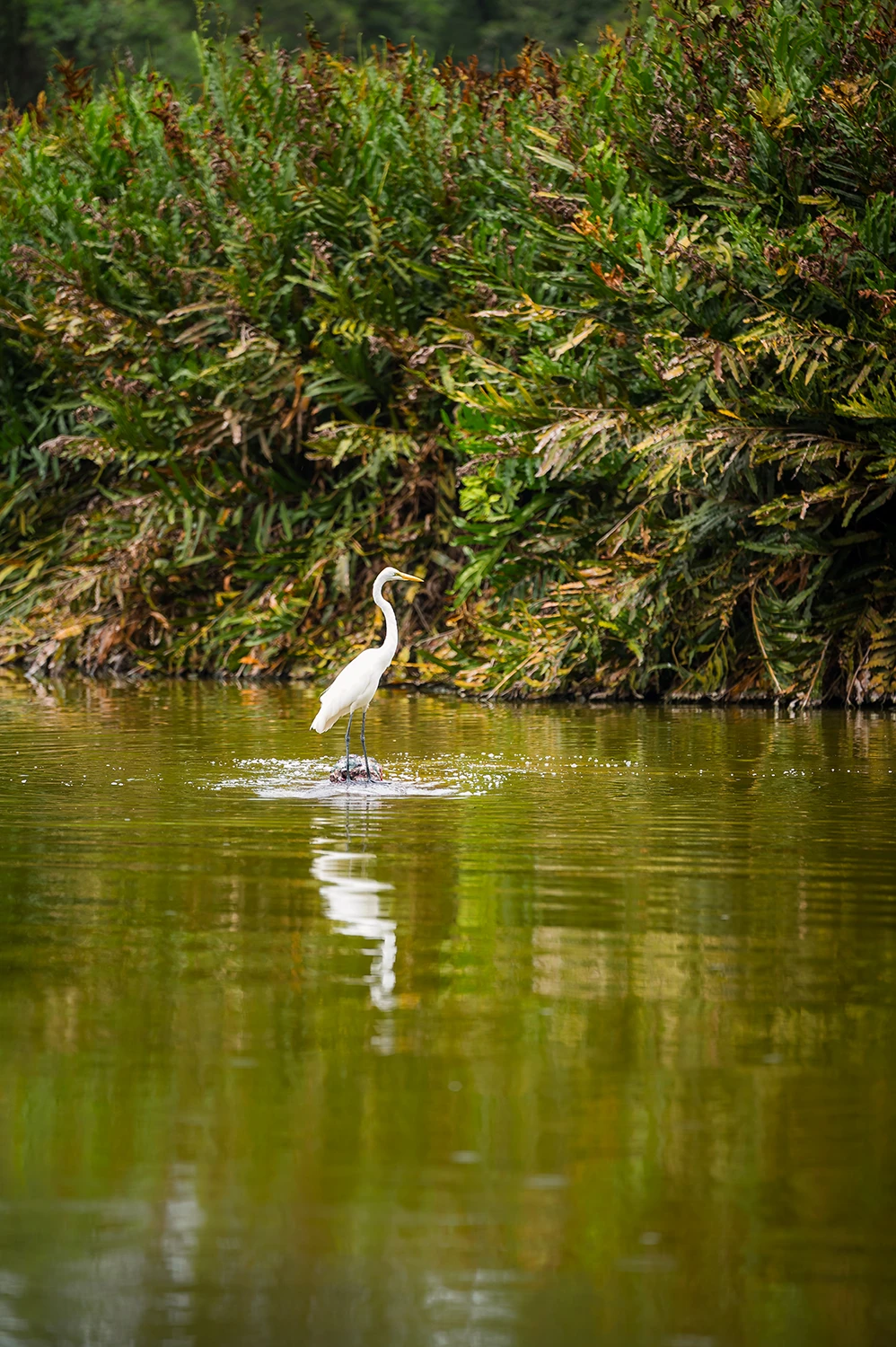
While flamingos and storks attract attention, sunbirds, ground thrushes, and hornbills are essential seed dispersers and insect predators. Their songs and movements help maintain biodiversity levels.
How Birds Help Maintain Forest Balance
Birds often signal shifts in ecosystem health. A sudden drop in a particular bird population may indicate pollution, deforestation, or an increase in invasive species.
Amphibian Sentinels: Frogs and Toads as Environmental Indicators
Their Role in Pest Control and Water Health
Frogs and toads are natural pest controllers. They feed on mosquitoes, flies, and beetles—helping create a more comfortable and healthy environment for humans and wildlife.
How Amphibians Signal Ecosystem Stress
Because their skin absorbs toxins and moisture directly, amphibians are often the first species to respond to environmental changes, such as pollution or water acidification.
The Flora Factor: Unnoticed Plants That Sustain Life
The grasses and low shrubs at Haller Park help stabilize the soil, reduce runoff, and maintain root networks. These plants are often removed in urban settings, but here they are protected and encouraged to thrive.
Local plants like Neem, Sodom Apple, and African Basil are important for wildlife and also have medicinal uses in traditional healing.
How Haller Park Protects Its Hidden Heroes
Biodiversity Monitoring and Research
The team at Haller Park regularly conducts biodiversity surveys and soil studies to monitor the health of these often-overlooked populations. Each insect count, amphibian sighting, and plant sprout is documented to maintain ecological balance.
Habitat Conservation and Non-Charismatic Species
Park management makes sure that restoration efforts support all animals, not just large ones. They concentrate on habitat variety, from wetlands to termite mounds—so every species has the space it needs.
Why These Species Deserve More Attention
Ecological Roles and Interdependence
Each unrecognized species performs a role that sustains others. Remove one link in the chain, and the entire forest suffers. Their “invisible” work supports pollination, decomposition, seed dispersal, and food web dynamics.
Inspiring Respect for All Wildlife, Big and Small
Celebrating small species helps change perspectives. It teaches visitors that value isn’t about size or fame, but about function and resilience.
Conclusion
The hidden heroes of the forest might not have Instagram fan pages or plush toys, but their value to Haller Park’s ecosystem is priceless. From soil-turning ants to nutrient-dense grasses, they remind us that every species counts, and that true strength often resides in the quietest corners of the wild.