At Haller Park in Mombasa, two of our most iconic residents are Sally and Potty, a pair of friendly yet powerful hippopotamuses. Every afternoon, visitors gather to watch them emerge from their pond for their much-anticipated feeding time. These semi-aquatic giants are a highlight for wildlife enthusiasts, photographers, and families alike.
The common hippopotamus (Hippopotamus amphibius) is Africa’s third-largest land mammal, weighing between 1,500–3,200 kg. Despite their stocky build, hippos are surprisingly agile in water, using their webbed feet to navigate rivers and lakes.
At Haller Park, Sally and Potty have a spacious pond and shaded resting areas that mimic their natural environment. They spend most of the day submerged to keep cool, surfacing only to breathe, eat, or interact with their keepers.
Hippo feeding is one of Haller Park’s most entertaining experiences. Visitors can watch from a secure platform as staff offer large bundles of greens and vegetables.
Daily Hippo Feeding Time:
As they open their enormous mouths, you’ll notice their impressive tusk-like teeth, which can be up to 50cm long.
Sally and Potty aren’t just a visitor attraction — they’re part of our integrated ecosystem. Their waste helps fertilize our aquaculture ponds, boosting algae growth that feeds fish such as tilapia. This closed-loop system reduces waste, supports biodiversity, and educates visitors about sustainable living.
 Opening Hours: 8:00am – 5:00pm daily
 Location: Bamburi, Mombasa
 Entry Info: View tickets and packages
 Map & Directions: Bamburi, Off Mombasa-Malindi Road
Are hippos dangerous?
Yes, in the wild they are considered one of Africa’s most dangerous animals. At Haller Park, they are in a secure enclosure, ensuring safe viewing.
Can visitors feed the hippos?
No, only trained staff feed the hippos to ensure safety and proper diet.
How old are Sally and Potty?
Both are mature adults, with Sally being slightly older. Hippos can live up to 40 years in captivity.
From towering giraffes to tiny butterflies, Haller Park is a living sanctuary where animals, plants, and people coexist in harmony. This page introduces you to our main attractions—each with its own unique story and role in conservation. 
See how our sustainable fish ponds work hand-in-hand with nature to support biodiversity and local communities.
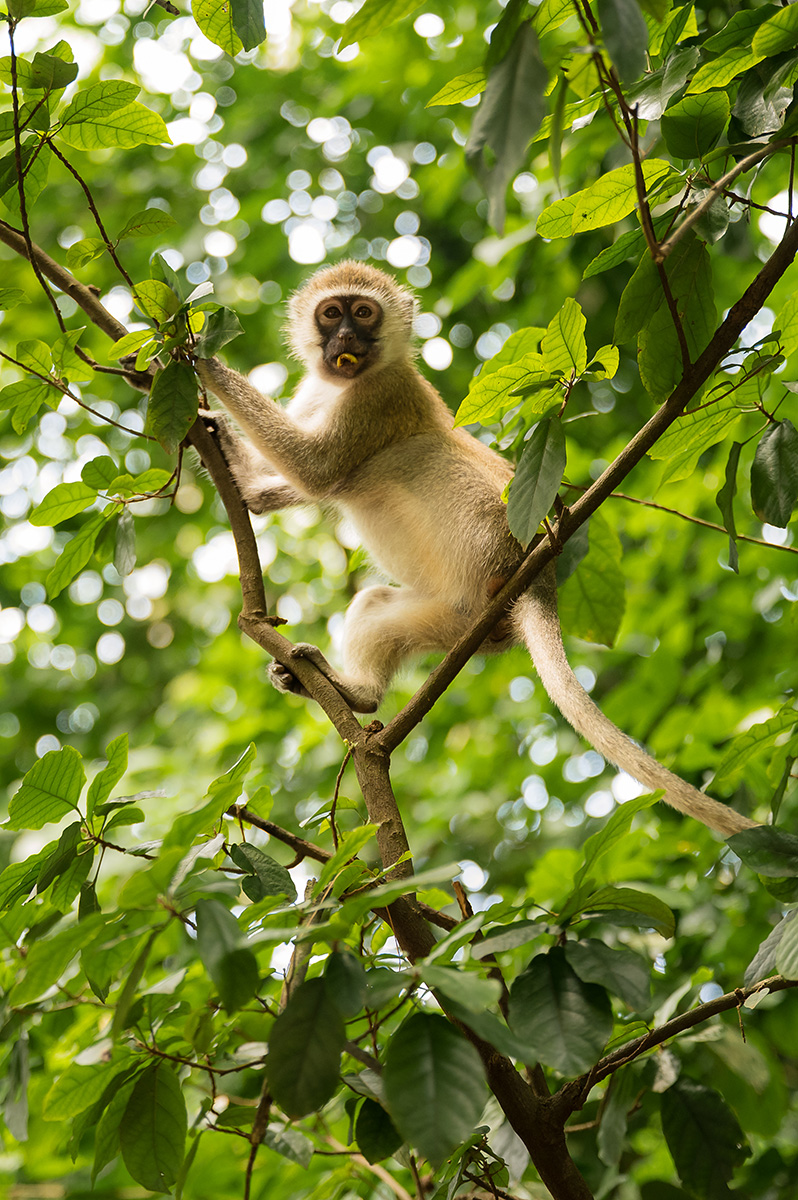
Enjoy peaceful walks through restored forest habitats. Look out for monkeys, antelopes, and over 160 bird species.
Step inside Kenya’s first butterfly house and be surrounded by color, movement, and the magic of metamorphosis.