History of Haller Park: How 1 Man Revived a Dead Quarry
Introduction
In the heart of Kenya’s coastal city of Mombasa lies a remarkable ecological gem—Haller Park. Once a lifeless limestone quarry, this green sanctuary stands today as a symbol of nature’s resilience and human ingenuity. Known for its lush biodiversity and unique wildlife, Haller Park has become an iconic eco-tourism destination. But its roots trace back to a far less vibrant beginning. The history of Haller Park is a story of transformation, vision, and a powerful commitment to environmental restoration.
The Origins: Before Haller Park
Haller Park’s Location and Geological Background
Haller Park is located in Bamburi, just north of Mombasa. The region was originally mined for limestone by Bamburi Cement Ltd, leaving behind vast tracts of land stripped of vegetation and topsoil. These barren pits were unsuitable for life—hot, dusty, and void of nutrients.
The Role of Bamburi Cement Quarry
The Bamburi Cement quarry, active since the 1950s, was essential to Kenya’s construction industry. However, the ecological cost was immense. The landscape, once rich with native plants and animals, was transformed into a hostile, deserted environment. That was until Dr. René Haller stepped in.
The Transformation Journey
The Start of Rehabilitation: 1971
Dr. Haller’s team worked meticulously, introducing plants that could survive the harsh conditions. Over time, microbial life returned to the soil, birds nested in the new trees, and insects found their way back. It was a painstaking but rewarding process.
Challenges Faced in Early Restoration
Early challenges included lack of water, poor soil quality, and harsh tropical sun. Dr. Haller used innovative techniques such as composting, fish farming, and symbiotic planting strategies to overcome these issues.
First Species Introduced
Once vegetation took hold, animals were gradually introduced—starting with insects and small reptiles, then birds, monkeys, and eventually large mammals like giraffes, hippos, and eland.
Milestones in Haller Park's Evolution
Establishment as a Nature Park
By the 1980s, the area had undergone such a significant transformation that it was renamed Haller Park in honor of Dr. Haller. It was opened to the public as an environmental education and conservation site.
Introduction of New Animal Species
Over the decades, the park welcomed various species including crocodiles, antelopes, buffalo, and tortoises, helping to balance the ecosystem. Each new animal played a vital role in restoring natural harmony.
Integration of Flora and Fauna
With over 200 species of indigenous plants, the park now supports diverse ecosystems, from wetlands and forests to savannas. Each ecosystem was carefully designed to mimic Kenya’s native biomes.
Haller Park Today
Current Ecosystems and Wildlife
Today, Haller Park boasts thriving biodiversity. Visitors can spot giraffes nibbling treetops, hippos lounging in ponds, and flocks of exotic birds soaring above restored forests. The park is home to over 1,000 animal species and 300 plant species.
Educational and Touristic Importance
The park serves as a living classroom for students, conservationists, and tourists alike. With walking trails, guided tours, and wildlife feeding sessions, it offers a hands-on environmental education experience.
Environmental and Community Impact
Beyond its ecological value, Haller Park supports local communities by creating jobs and promoting sustainable tourism. Its success has inspired similar projects across Africa and the globe.
Notable Residents of Haller Park
One of the park’s most heartwarming stories is that of Owen, a baby hippo rescued after the 2004 tsunami, and Mzee, a 130-year-old tortoise. Their unlikely friendship captivated the world and became the subject of books and documentaries.
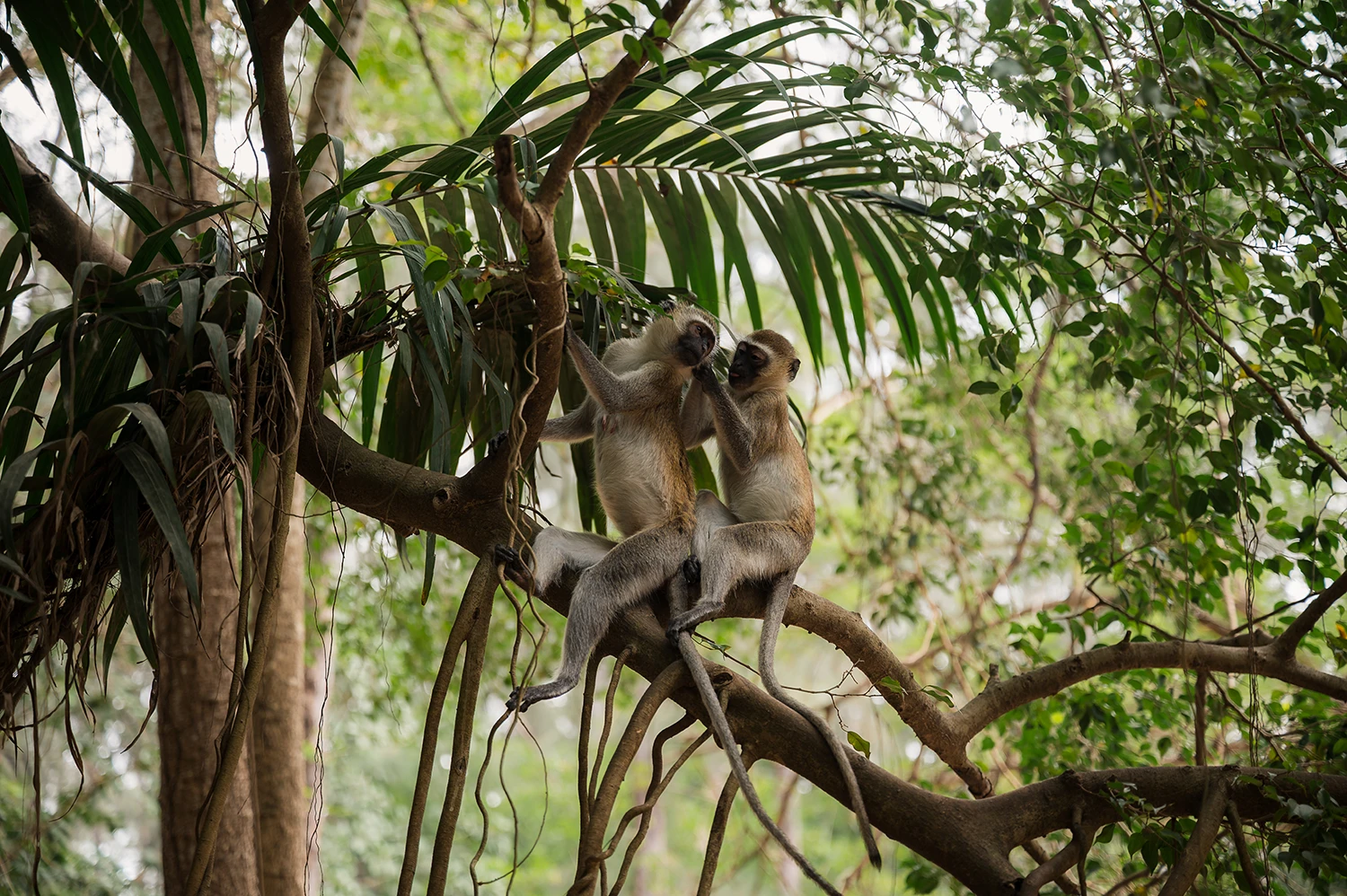
The park is now a haven for wildlife including mischievous monkeys, towering giraffes, slinking monitor lizards, and ferocious crocodiles—all coexisting in a carefully curated balance.
Conservation Achievements and Recognition
Awards and International Praise
Haller Park has received numerous accolades for environmental excellence, including recognition from the United Nations Environment Programme (UNEP) for pioneering sustainable rehabilitation.
UNEP and Other Global Support
Its success has drawn global support, influencing policies on ecological restoration and inspiring similar projects worldwide.
Future Prospects for Haller Park
Sustainability and Eco-Tourism Plans
As climate change becomes a growing concern, Haller Park continues to innovate in sustainability, aiming to be a model for carbon neutrality and responsible tourism.
Expanding Educational Programs
Plans are underway to develop more interactive learning centers and online outreach to teach the next generation about conservation and ecology.