
Wetland Rehabilitation at Haller Park – Restoring Life to Water
- Conservation
- Wetland Rehabilitation at Haller Park – Restoring Life to Water
Wetland Rehabilitation at Haller Park
Haller Park in Mombasa, Kenya, is more than just a wildlife sanctuary — it’s a global model of ecological restoration. One of its greatest successes is the creation and rehabilitation of wetlands in a place where none existed before.
By transforming abandoned quarry pits into wetland ecosystems, Haller Park restored natural water cycles, created habitats for countless species, and demonstrated how wetlands can fight climate change and protect biodiversity.
Why Wetlands Matter
Wetlands are among the most productive ecosystems on Earth. They:
- Filter water naturally, removing pollutants through plants and microbes
- Provide habitats for fish, amphibians, birds, and reptiles
- Protect coastlines by absorbing floods and preventing erosion
- Support biodiversity by acting as breeding grounds for aquatic life
In Kenya, where wetlands face constant threats from development and pollution, Haller Park’s wetlands prove how restoration can succeed.
From Quarry Pits to Living Wetlands
When restoration began, the quarry pits left behind by limestone mining filled with stagnant rainwater. Instead of draining them, ecologists transformed them into wetlands by:
- Introducing aquatic plants like papyrus and reeds
- Adding fish to control mosquito larvae
- Allowing hippos and crocodiles to play their natural role in aquatic balance
- Connecting wetlands with aquaculture systems to recycle nutrients
This created a self-sustaining wetland network, improving both water quality and biodiversity.
Wildlife in the Restored Wetlands
Haller Park’s wetlands are now home to a wide variety of species, including:
- Fish such as tilapia and catfish
- Birds like herons, kingfishers, storks, and egrets
- Reptiles including Nile crocodiles and terrapins
- Amphibians such as frogs and toads
- Insects like dragonflies and damselflies that help control pests
The wetlands also attract migratory birds, making the park a stopover for species traveling along the East African flyway.
Ecosystem Services of Wetland Rehabilitation
The benefits of Haller Park’s wetlands extend far beyond the park itself:
- Water purification: Wetland plants filter harmful chemicals
- Climate regulation: Wetlands store large amounts of carbon
- Sustainable food: Integrated with aquaculture for fish farming
- Tourism & education: Birdwatchers, researchers, and students learn from these living classrooms
Education & Research in Wetland Conservation
Haller Park’s wetlands are used by schools and universities for research on:
- Water quality monitoring
- Aquatic species diversity
- Wetland plant adaptation
- Climate resilience
Visitors can join guided tours to learn how these ecosystems function and why wetlands are critical for Kenya’s coastal environment.
Plan Your Visit
 Opening Hours: 8:00am – 5:00pm daily
 Location: Bamburi, Mombasa
 Entry Info: View tickets and packages
 Map & Directions: Bamburi, Off Mombasa-Malindi Road
FAQs – Wetland Rehabilitation at Haller Park
The quarry pits filled with water naturally — ecologists turned them into productive habitats instead of leaving them stagnant.
Visitors often spot crocodiles, hippos, fish, frogs, and dozens of bird species.
Wetlands absorb carbon, reduce flooding, and protect coastal ecosystems.
Some Attractions

Aquaculture & Wetlands
See how our sustainable fish ponds work hand-in-hand with nature to support biodiversity and local communities.
Forest Trails & Birdwatching
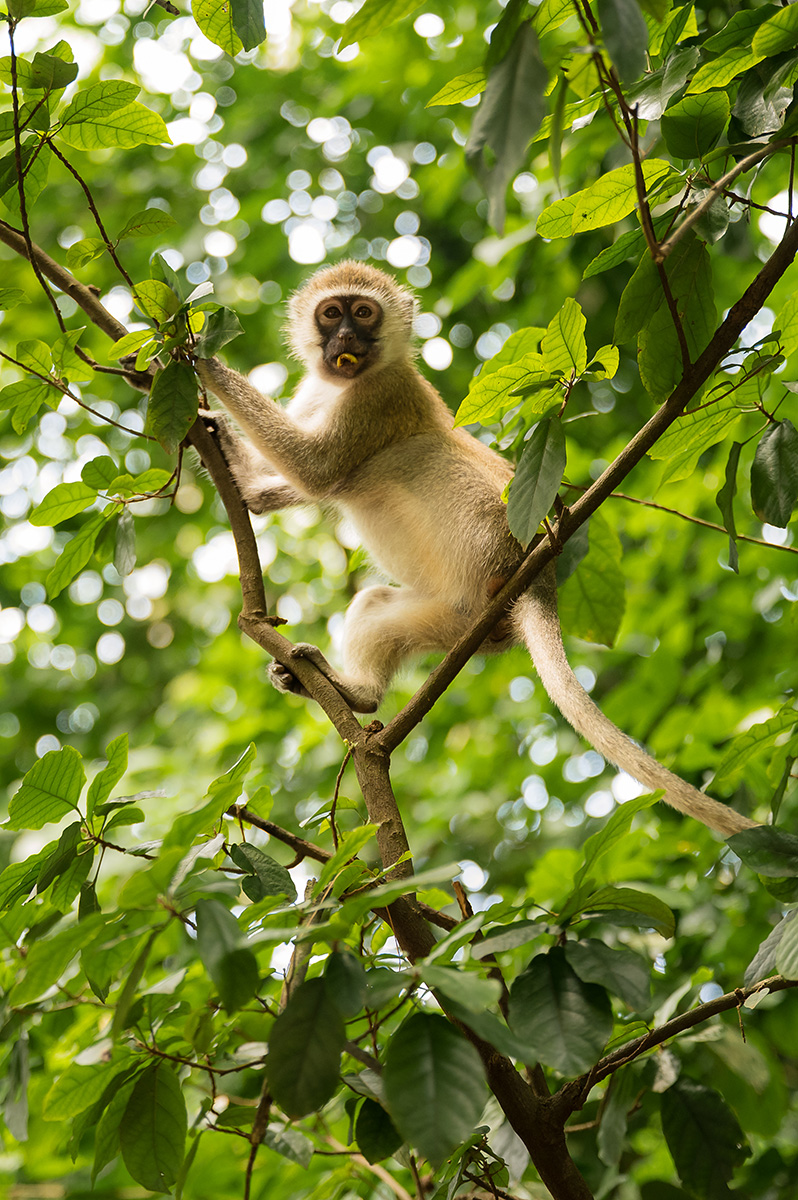
Enjoy peaceful walks through restored forest habitats. Look out for monkeys, antelopes, and over 160 bird species.

Butterfly Pavilion
Step inside Kenya’s first butterfly house and be surrounded by color, movement, and the magic of metamorphosis.