
October 2, 2025
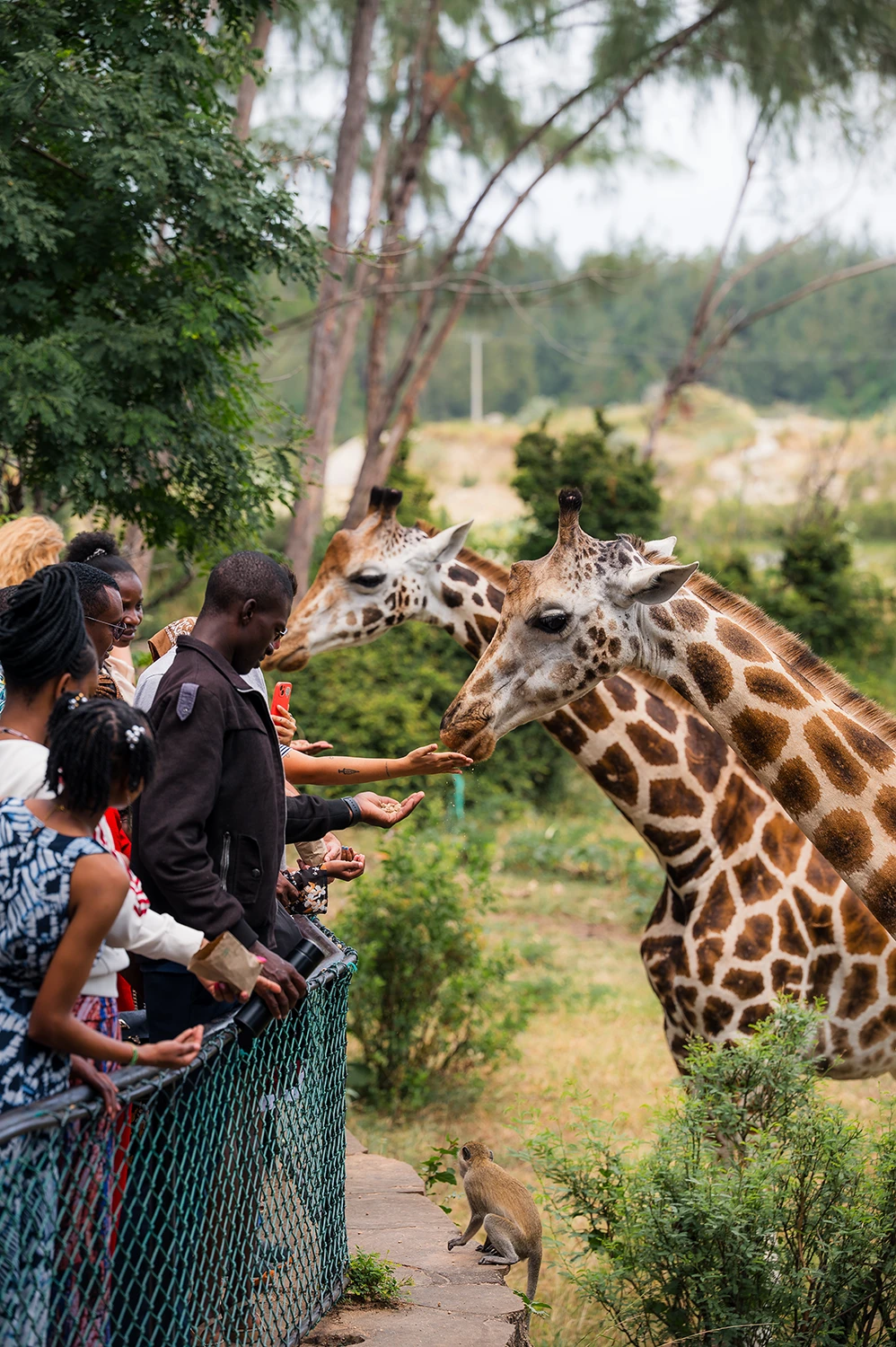
In a world facing more challenges from climate change and biodiversity loss, it’s really important to teach the next generation about nature and sustainability. Haller Park, a beautiful green sanctuary created from an old quarry, is doing just that every day. With well-designed programs, fun interactive lessons, and amazing wildlife encounters, Haller Park helps turn curious students into passionate eco-heroes.
Let’s discover how Haller Park motivates school kids to become eco-warriors and see why these educational visits leave a memorable impression that goes far beyond the park itself!
Children are naturally curious and empathetic, which makes their early exposure to nature truly enriching. It helps them build a heartfelt connection to the environment and inspires a desire to protect it. By participating in real-world conservation efforts at Haller Park, students start to see that even small actions can make a significant difference, empowering them to become caring stewards of the planet.
According to National Geographic Education, children who spend time in nature are more likely to develop lifelong pro-environmental behaviors. Haller Park leverages this connection by immersing students in Kenya’s vibrant ecosystems.
Students don’t just learn about wildlife, they get to see it with their own eyes! From watching giraffes happily munch on treetops to catching a glimpse of crocodiles basking in the sun, children have the chance to truly experience Kenya’s amazing biodiversity firsthand. Friendly expert guides are there every step of the way, tailoring their stories and explanations to match the ages of the kids, making each visit both fun and educational.
Children have the wonderful opportunity to feed animals like giraffes and fish, explore insect habitats, and collect leaf samples. These hands-on experiences delight the senses and make ecological concepts come alive in a fun and memorable way that textbooks alone can’t match.
Tours are thoughtfully crafted to meet particular learning goals. For instance, a Grade 3 class may delve into food chains, making the concept engaging and understandable for young learners. Meanwhile, a high school group might explore ecological restoration techniques used to transform Haller Park, offering an exciting real-world connection to their studies.
From pre-schoolers to teenagers, each child enjoys lessons designed just for their developmental stage. Using visual aids, interactive models, and storytelling, we make even complex topics like carbon cycles and biodiversity easy to understand and memorable for every learner.
Learning doesn’t end with lectures. Kids take part in:
• Recycling races
• Wildlife ID challenges
• Nature scavenger hunts
These enjoyable, competitive activities strengthen knowledge while maintaining high energy.
Teachers from nearby schools often notice lasting changes in students’ behavior after visiting Haller Park. One Nairobi-based school shared how their students began composting and planted a school garden inspired by what they learned.
Parents are delighted to see their children becoming more aware of littering, conserving energy, and reducing food waste. Many are inspired to participate in local clean-up events after learning about the importance of conservation at the park.
Haller Park collaborates with public and private schools throughout Kenya and hosts visiting student groups from other countries. Exchange programs frequently include park visits to help international students learn about African conservation efforts.
The park also provides workshops and resources for teachers, supporting them in incorporating environmental literacy into their classroom teaching well beyond the visit.
Haller Park’s educational mission warmly supports SDG 4 (Quality Education), SDG 13 (Climate Action), and SDG 15 (Life on Land). More than just a park, it’s a vibrant, living classroom that beautifully aligns with global efforts for sustainability.
What sets Haller Park apart is its hands-on, immersive approach. Instead of passive observation, students engage actively, which leads to improved retention, empathy, and motivation to take action.
Schools can book structured education visits directly through the park’s admin office. Packages often include transport, guides, activities, and takeaway learning materials.
For international schools, Haller Park offers virtual tours and digital learning modules. This opens up conservation education to students around the world, even if they can’t visit in person.
Haller Park goes beyond just wildlife encounters; it nurtures lifelong eco-leaders. The sights, sounds, and lessons here leave a lasting impression on children, inspiring them to become protectors of the planet. This living classroom is truly magical: it transforms awe into action and turns kids into eco-warriors.
Programs serve students aged 5–18 with content suited for each age group.
Yes, safety is a top priority. All tours are supervised and risk-assessed.
Feeding giraffes, spotting animals, and the interactive eco-games are favorites.
Yes, they’re designed to complement Kenya’s CBC and other international syllabi.
Most visits last between 2–4 hours, depending on the chosen activities.
Bamburi, Off Mombasa-Malindi Road
info.hallerpark@bamburigroup.com
Haller Park Main Number: +254 702910835
Once a Quarry, Now a Sanctuary – Where Hope and Wildlife Grow Together
Copyright © 2026. All rights reserved.